

Avoiding Cheap Fabric in Online Boutiques: A Buyer's Guide
Table of Contents
- Why Fabric Quality Matters When Buying Clothes Online
- How to Tell If Clothes Are Good Quality Online
- How to Check Fabric Quality Before Buying Clothes
- Best Fabrics for Everyday Clothing That Actually Last
- Questions to Ask Before Buying Clothes Online
- Red Flags in Online Boutique Listings and Seller Practices
- Review Customer Feedback and Shopping Experiences
- What to Do When Fabric Arrives Below Expectations
- Frequently Asked Questions
Last Updated: October 16, 2026
Why Fabric Quality Matters When Buying Clothes Online
When you shop for clothes online, you can't touch the fabric or feel how it drapes on your body.
At The Floating Feather Boutique, we understand how frustrating it is to receive clothes that don't match what you saw online.
The difference between a piece you'll wear for years and one that disappoints you comes down to one thing: knowing what to look for before you buy.
How to Tell If Clothes Are Good Quality Online
Quality clothes start with how sellers describe them. You need to read past the marketing language and find the real details about what you're buying.
Read Product Descriptions and Fabric Specifications Carefully
The product description tells you almost everything you need to know, if you know what to look for. Sellers of quality pieces list exact fiber content, fabric weight, and care instructions upfront.
Look for these details:
- Fiber content percentage: A shirt that says "100% cotton" or "80% cotton, 20% linen" gives you real information. Vague descriptions like "natural materials" or "soft blend" hide something.
- Fabric weight: Measured in ounces per yard or grams per square meter. Heavier fabric (6+ oz for cotton) typically lasts longer than lightweight options.
- Fabric type name: "Airlume combed cotton" or "linen twill" tells you the seller knows their product. Generic terms like "cotton fabric" suggest they don't.
The FTC guidelines on textile labeling require sellers to disclose fiber content accurately. Reputable online boutiques follow these rules. If a product description avoids specifics or uses vague language, move on.

Examine Product Photos for Texture and Fit Details
Photos reveal what words hide. Quality fabrics look different in photos than cheap ones do. You can spot the difference if you know what to look for.
Examine these details:
- Close-up texture shots: Quality pieces include detailed photos showing the weave, knit pattern, or fabric surface. Cheap fabrics often look flat and uniform in photos.
- Drape and movement: Photos showing how fabric hangs on a body tell you about weight and stiffness. Cheap fabric looks stiff or clingy. Quality fabric flows naturally.
- Color consistency: Look at multiple photos under different lighting. Cheap dyes fade unevenly. Quality fabrics hold color uniformly across all angles.
If a seller provides only one or two photos, or photos that don't show detail, that's a warning sign. Quality sellers invest time in showing their products clearly.
How to Check Fabric Quality Before Buying Clothes
Before you click buy, take these specific steps to verify you're getting quality fabric. These checks catch cheap materials before your money is spent.
Fiber Content and Fabric Composition
Natural fibers hold up better than synthetics. Understanding fiber content helps you predict how long a piece will last.
Best natural fibers for everyday wear:
- Cotton: Breathable, durable, and comfortable. Look for "combed cotton" or "ring-spun cotton", these describe higher-quality processing.
- Linen: Strong and long-lasting. Wrinkles easily but gets softer with washing.
- Wool: Warm, naturally wrinkle-resistant, and durable. Quality wool feels soft, not scratchy.
Synthetic fibers to approach carefully:
- Polyester: Affordable but doesn't breathe well. Low-quality polyester looks shiny and feels plastic-like.
- Acrylic: Warm but pills easily. Cheap acrylic shows pilling after a few washes.
- Rayon: Soft but weak when wet. Quality rayon feels luxurious; cheap rayon tears easily.
Blends matter too. A blend of 60% cotton and 40% polyester costs less than 100% cotton but still breathes reasonably.
The Textile Exchange guide to natural fibers explains how fiber choice affects durability and environmental impact. Quality pieces use higher percentages of natural fibers or premium synthetics.
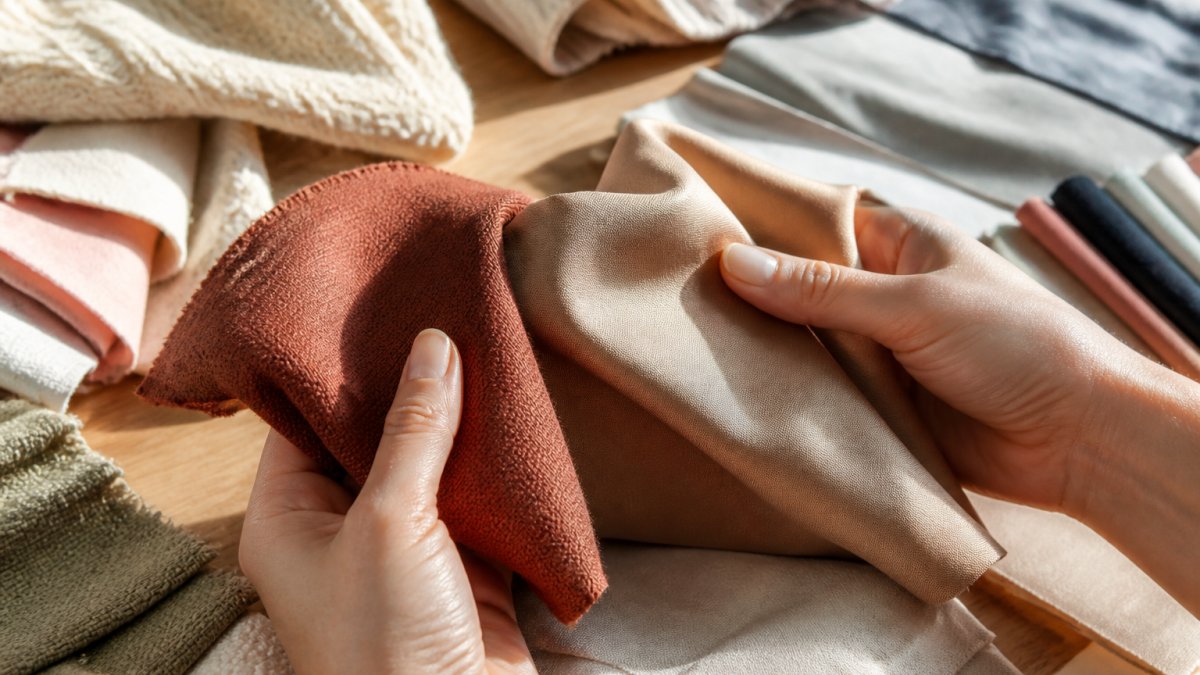
Fabric Weight and Drape
Fabric weight tells you how substantial and durable a piece is. Heavier fabric generally lasts longer and holds its shape better.
Weight standards for common fabrics:
- Lightweight: Under 4 oz per yard. Breathes well but wears out faster. Good for summer pieces only.
- Midweight: 4-7 oz per yard. The sweet spot for everyday wear. Durable and breathable.
- Heavyweight: Over 7 oz per yard. Lasts longest but can feel stiff. Good for jackets and structured pieces.
Drape describes how fabric hangs and moves. Quality fabric drapes smoothly and flows with your body.
When you see product photos, pay attention to how the fabric moves. Does it flow? Does it cling? Does it look natural on the model's body?
Request and Evaluate Fabric Swatches
How to request a swatch:
- Contact the seller through their website or message system.
- Ask for a swatch of the specific fabric you're interested in.
- Request it be sent with care instructions and fiber content information.
- Ask about their timeline, quality sellers respond within 24-48 hours.
What to evaluate when your swatch arrives:
- Feel: Does it feel soft or scratchy? Does it feel flimsy or sturdy?
- Weight: Does the swatch feel substantial or thin?
- Flexibility: Does it bend and fold smoothly or does it fight back?
If a seller takes weeks to respond, that's a red flag. Quality boutiques reduce returns and build trust.
Best Fabrics for Everyday Clothing That Actually Last
Some fabrics simply outlast others. If you want pieces that work for years, choose these materials.
Premium Unisex Crewneck T-shirt | Bella + Canvas 3001 White →
Premium everyday fabrics:
- High-quality cotton (combed, ring-spun): Soft, breathable, and durable. Gets softer with washing. Lasts 5+ years with proper care.
- Linen blends (70% linen, 30% cotton): Breathable and strong. Develops character over time. Lasts 7+ years.
- Merino wool: Naturally temperature-regulating and durable. Resists odor and wrinkles. Lasts 10+ years.
- Silk blends (for special pieces): Luxurious and strong. Requires careful washing but lasts many years.
The Premium Unisex Crewneck T-shirt from The Floating Feather Boutique, made from Airlume combed and ring-spun cotton, represents the quality standard for everyday basics.

Cheap everyday fabrics deteriorate quickly. Thin polyester, low-quality acrylic, and heavily processed rayon pill, fade, and lose shape within a year.
Questions to Ask Before Buying Clothes Online
Before you complete your purchase, ask yourself these questions. They catch mistakes before money changes hands.
Quality verification checklist:
- Does the product description include specific fiber content percentages?
- Are care instructions detailed and clear?
- Do the photos show fabric texture and drape clearly?
- Is the fabric weight listed?
If you answer "no" to more than two of these questions, keep looking. Better boutiques will check all these boxes.
Red Flags in Online Boutique Listings and Seller Practices
Some sellers use tricks to hide cheap fabric. Learn to spot these red flags immediately.
Listing red flags:
- No fiber content listed: If they won't tell you what it's made from, they're hiding something.
- Vague descriptions: Words like "soft fabric," "quality material," or "premium blend" without specifics signal low quality.
- Only one or two photos: Quality sellers show their products from multiple angles and in detail.
- No size chart or measurements: Cheap sellers don't invest in detailed sizing because they expect returns.
Seller practice red flags:
- Slow or dismissive responses to questions: Quality sellers answer questions within 24 hours.
- Refusal to send swatches: They don't want you to feel the fabric before buying.
- No customer service contact information: This makes it hard to get help if something goes wrong.
- Negative reviews mentioning fabric quality or durability: Past customers are warning you.
Review Customer Feedback and Shopping Experiences
Real customers tell you what you need to know. Read reviews carefully and look for patterns.
What to look for in reviews:
- Specific mentions of fabric quality: Reviews saying "soft," "durable," or "held up well" signal quality. Reviews saying "cheap-feeling," "pilled," or "fell apart" warn you away.
- Durability comments: How did the piece hold up after washing? After wearing regularly?
- Fit accuracy: Do reviews say the piece fit as expected? Did it shrink or stretch?
- Color accuracy: Do reviews say the color matched the photos? Did it fade after washing?
Look for reviews from verified purchases. These come from people who actually bought and used the product. Unverified reviews might be fake.
Pay special attention to reviews mentioning washing and wear.
Consumer Reports' guide to evaluating online reviews explains how to spot fake reviews and identify trustworthy feedback.
What to Do When Fabric Arrives Below Expectations
Sometimes fabric arrives and disappoints you anyway. Here's how to handle it.
Immediate steps:
- Document the problem: Take clear photos of the fabric, seams, and any defects. Show the condition it arrived in.
- Check the return policy: Review the seller's return or exchange policy immediately. Most quality sellers allow returns within 30 days.
- Contact the seller: Explain the issue clearly. Include your photos. Quality sellers respond within 24-48 hours.
- Request an exchange or return: Ask for a replacement with better quality or a full refund. Quality sellers make this easy.
What counts as a valid return reason:
- Fabric feels significantly different from the description.
- Seams are crooked, loose, or poorly finished.
- Fabric is damaged, stained, or defective.
- The piece doesn't fit because sizing was inaccurate.
What usually doesn't count:
- You simply changed your mind (though quality sellers often accept these anyway).
- The color looks slightly different in different lighting (this is normal).
- You didn't read the care instructions and damaged the piece by washing it wrong.
The Floating Feather Boutique stands behind every piece we sell. We know quality matters, and we want you to feel confident in every purchase.
Frequently Asked Questions
How can you tell if clothing fabric is good quality online?
Check the fiber content first, 100% natural fibers like cotton, linen, or silk typically perform better than blends heavy in synthetics. Examine the fabric weight (measured in ounces per yard or grams per square meter); heavier fabrics usually last longer. Review product photos for texture clarity and look for customer reviews mentioning how the fabric feels after washing. Good-quality fabric holds its shape, resists pilling, and maintains color after multiple washes.
What fabric details should you check before buying clothes online?
Always verify fiber content, fabric weight, and thread count if listed. Check whether the fabric has any stretch or is non-stretch, as this affects fit and durability. Look for care instructions, delicate fabrics requiring hand-washing may not suit busy lifestyles. Examine product photos for seam quality, hem finish, and how the fabric drapes on the model. Compare the advertised price to similar items elsewhere to gauge whether you're paying for quality or just aesthetics.
Which fabrics are best for everyday clothing that actually lasts?
Natural fibers perform best for everyday wear: 100% cotton is breathable, durable, and easy to care for; linen is sturdy and improves with washing; wool blends offer warmth and resilience. High-quality cotton blends (cotton with small amounts of polyester for stretch) work well for structured pieces like dresses. Avoid fabrics that are mostly polyester or acrylic unless specifically designed for performance (moisture-wicking). Look for fabric weight of at least 5.5 ounces per yard for t-shirts and 6+ ounces for heavier pieces. The Floating Feather Boutique's Premium Unisex Crewneck T-shirt features 100% Airlume combed and ring-spun cotton, a hallmark of durable everyday wear.
What red flags suggest cheap fabric in an online boutique listing?
Watch for vague descriptions like 'soft fabric' with no fiber content listed. Extremely low prices compared to similar items often signal poor-quality materials or construction. Photos that are blurry, poorly lit, or don't show fabric texture are major red flags. Be cautious of listings claiming 'silk-like' or 'linen-feel' instead of actual silk or linen, these are usually cheap synthetics. Check return policies; sellers confident in quality offer 30+ day returns. Negative reviews mentioning pilling, fading, or fabric feeling 'cheap' after one wash are clear warnings to skip that item.
Shopping online for quality fabric doesn't have to be stressful. When you know what to look for, fiber content, fabric weight, detailed photos, and honest reviews, you can spot quality pieces instantly. The Floating Feather Boutique makes this easier by providing complete fabric specifications, detailed product photography, and responsive customer service on every piece. Shop everyday boho essentials with confidence, knowing exactly what you're getting before you buy.